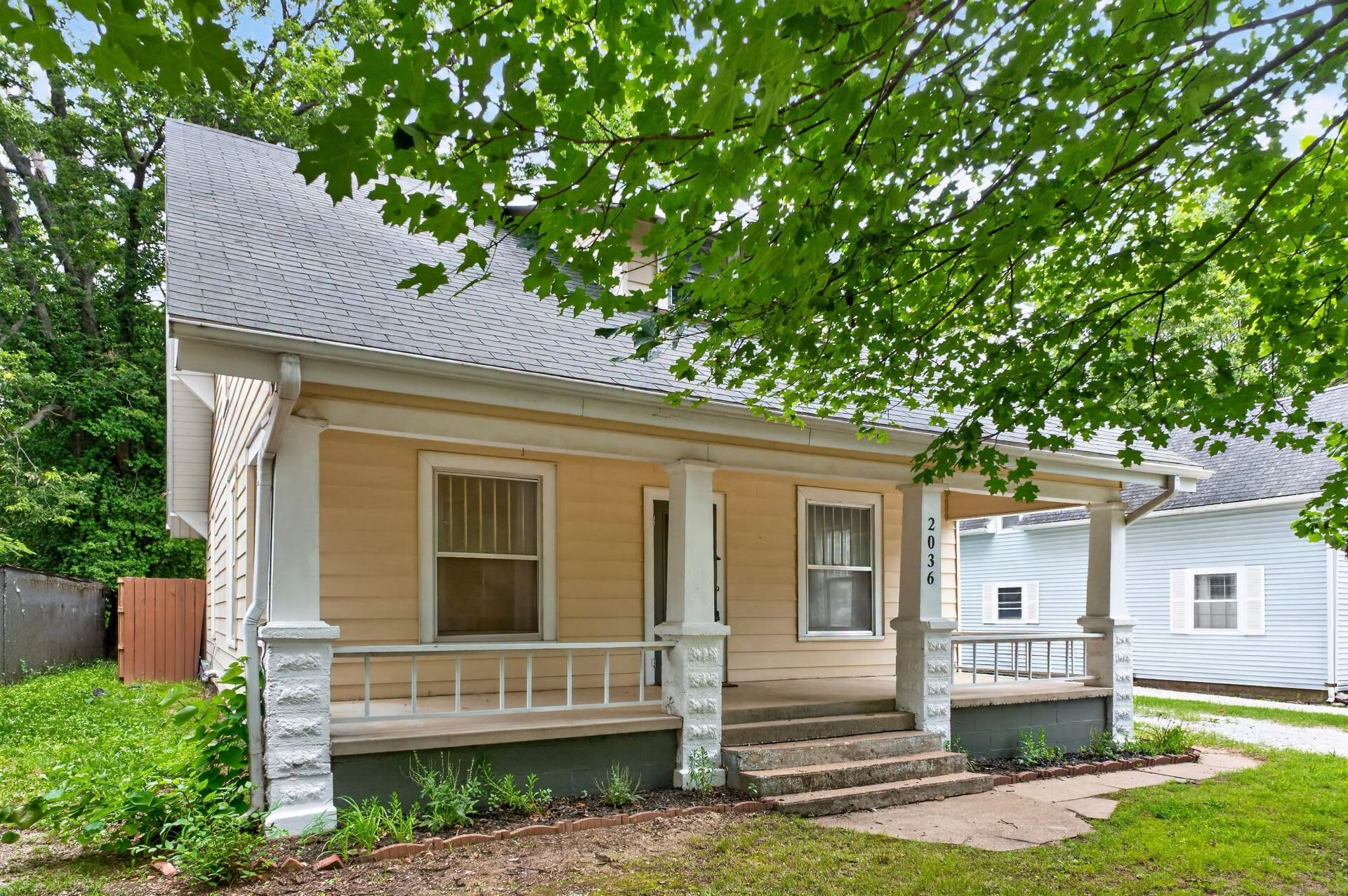
What Happens If My Buyer Backs Out of Our Home Sale in Missouri?
Your house is under contract, you're preparing for closing, and suddenly the buyer wants out. Can they cancel the sale? Do you get to keep their earnest money? And what happens to your plans now?
A buyer can sometimes back out of a Missouri home purchase without breaching the contract, but not every cancellation is automatically permitted. What happens next depends on the signed purchase agreement, the reason the buyer wants to cancel, and whether the contract's requirements and deadlines have been met.
Can a Buyer Back Out After Signing a Purchase Agreement?
Yes, under certain circumstances. An accepted offer creates a binding agreement, but that agreement may give the buyer specific rights to terminate the transaction.
These rights often involve contingencies, which are conditions that must be satisfied for the sale to proceed.
Common examples include:
- Home inspection contingency: The buyer may have an opportunity to raise concerns about the property's condition and, depending on the contract, terminate if those concerns aren't resolved.
- Financing contingency: The buyer may have protection if they cannot obtain financing despite meeting the contract's requirements.
- Appraisal contingency: A low appraisal may create options for renegotiation or termination if the agreement provides them.
- Home-sale contingency: Some buyers make their purchase dependent on selling another property.
- Title-related provisions: Certain unresolved ownership or title issues may affect the transaction.
Not every purchase agreement includes the same contingencies. Each provision has its own requirements and deadlines, so a buyer's ability to cancel depends on the specific terms they agreed to.
If an inspection issue is threatening the sale but the buyer hasn't canceled, our guide to handling a buyer's repair requests after a home inspection explores how sellers can evaluate those requests and negotiate possible solutions.
What if the buyer simply changes their mind?
Changing one's mind isn't necessarily a valid reason to terminate a binding purchase agreement.
If the buyer no longer wants the property and has no remaining contractual right to cancel, they may be failing to meet their obligations.
That doesn't automatically determine the seller's remedies. The agreement and circumstances must be reviewed to understand whether the seller has a claim involving earnest money, damages, or another contractual remedy.
When cancellation rights or potential breach are disputed, a Missouri real estate attorney can help evaluate the legal options.
What Happens to the Earnest Money?
Earnest money is a deposit the buyer typically provides to demonstrate their commitment to purchasing the property. It's generally held in escrow until it is applied at closing or otherwise disbursed.
If the buyer backs out, the seller does not automatically receive that money.
If the buyer properly terminates under an applicable contingency, the agreement may provide for the deposit to be returned to the buyer.
If the buyer fails to perform without a contractual basis, the seller may have a claim to the earnest money. However, having a potential claim and actually receiving the funds are different matters.
What if the buyer and seller disagree about the deposit?
Disputed earnest money may remain in escrow while the parties work toward a resolution.
Missouri has specific procedures governing certain earnest-money disputes involving real estate brokers. Under Missouri's rules for disputed earnest money, a broker holding disputed funds must follow applicable requirements rather than simply giving the money to whichever party requests it.
Depending on the circumstances, resolution may involve a written agreement between the parties, an applicable escrow procedure, or court involvement.
What Should You Do First If Your Buyer Backs Out?
The first priority is to establish exactly what happened and what the purchase agreement requires.
A buyer saying they want to cancel is not necessarily the same as the contract being properly terminated.
1. Review the Cancellation Notice and Contract
Determine why the buyer wants to cancel and whether they've provided the notice required by the purchase agreement. Review the applicable contingency, deadlines, and any outstanding obligations before assuming the transaction has ended.
Your real estate agent can help organize the transaction details and communications. Legal questions about enforceability or remedies may require an attorney.
2. Gather the Transaction Documents
Keep the signed purchase agreement, amendments, inspection communications, financing-related notices, earnest-money records, and other relevant correspondence together.
These records may be important if the parties disagree about deadlines, obligations, or the deposit.
3. Review Your Financial and Moving Commitments
Consider what the delay means for your mortgage payments, utilities, insurance, moving arrangements, and any planned purchase.
If the original closing date is no longer realistic, update the people involved in those arrangements as soon as you have reliable information.
4. Develop a Plan for What Happens Next
Once the contract's status is clear, determine whether the best next step is resolving the disagreement, considering another buyer, or preparing the property for renewed marketing.
Avoid making irreversible decisions based only on an informal conversation about cancellation.
Can You Put Your House Back on the Market?
Potentially, but the existing contract must be addressed first.
If the buyer has properly terminated the agreement, the property may be able to return to active marketing once the appropriate transaction and listing-status requirements are satisfied.
If the attempted cancellation is disputed, you don't want to promise the property to another buyer while unresolved obligations under the first agreement could prevent you from completing a new sale.
A backup offer may be an option, but its terms should account for the existing agreement.
Once the property's status is resolved, the next step is deciding how to present it to prospective buyers.
How to Approach Selling Again After a Canceled Contract
The reason the previous transaction failed should guide your next selling strategy.
If the buyer experienced a financing problem or an unexpected change in personal circumstances, your existing listing strategy may still be appropriate.
If the cancellation involved property condition, pricing, or appraisal concerns, those issues deserve closer review before the home returns to the market.
Reevaluate the Situation Before Changing the Price
Before making a price adjustment, consider:
- Why the previous buyer did not close.
- Whether the property has a condition issue that needs attention.
- How comparable homes are currently priced and selling.
- Whether previous interested buyers may still be looking.
- How long the property has been marketed and whether its presentation needs improvement.
A price reduction may be appropriate in some situations, but it shouldn't be an automatic reaction to a canceled contract.
Address Buyer Questions Without Creating Unnecessary Concern
When a property returns to the market, prospective buyers may ask why the previous sale didn't close.
An accurate, straightforward explanation is generally more useful than speculation or an attempt to minimize a known issue.
If a previous inspection revealed a property defect, evaluate any applicable disclosure responsibilities before marketing the home again.
At Graddy Real Estate, we believe a seller's next strategy should be based on what actually happened, current market conditions, and the property's strengths and challenges. A canceled contract calls for reassessment, not assumptions.
What If You Were Buying Another House?
A canceled sale can be especially disruptive when you're relying on the proceeds from your current home to purchase the next one.
If your next purchase is already under contract, review its deadlines, financing arrangements, and any contingency related to selling your existing property.
Contact the professionals involved in that purchase promptly. Depending on the agreement and circumstances, you may need to discuss an extension, reassess financing, or consider other options.
If you're still planning your move, our guide to buying a home before selling your current house explains considerations that can help you evaluate the timing and financial risks.
Frequently Asked Questions
Can I accept a backup offer if my first buyer wants to cancel?
Possibly. A backup offer may be structured to take effect if the first contract ends, but the terms must be coordinated with your existing obligations. Review the situation before signing another agreement.
Does the buyer have to explain why they're canceling?
That depends on the purchase agreement and the termination provision involved. Some provisions require particular notices or documentation. An informal explanation alone may not satisfy the contract.
Can a buyer change their mind after sending a cancellation notice?
The effect of a cancellation notice depends on whether it was valid under the agreement and what happened afterward. Neither party should assume the notice can simply be withdrawn without reviewing the contractual situation.
What if the buyer backs out just days before closing?
A last-minute cancellation can create additional complications involving moving arrangements, financing, and expenses already incurred. The seller's options still depend on the purchase agreement and circumstances. Review the contract promptly, preserve relevant communications, and seek legal guidance if the buyer may have failed to perform.
Do I have to disclose a problem discovered during the buyer's inspection?
A canceled sale does not erase information you've learned about your property. Known defects can raise disclosure obligations depending on the facts and applicable law. Obtain appropriate guidance before relisting rather than assuming the issue no longer matters.
Can the same buyer make another offer after canceling?
Yes. A former buyer can propose a new purchase agreement, and the seller can decide whether to consider it. Neither party is automatically required to enter into a new contract.
A Strong Selling Plan Accounts for More Than the First Offer
A successful home sale requires more than finding a buyer. It also takes careful offer evaluation, consistent communication, and a plan for addressing problems before closing.
At Graddy Real Estate, our listing specialists help sellers understand their options, manage contract-to-close details, and adjust their selling strategy when circumstances change.
If you're preparing to sell or need a new plan for a property that's no longer under contract, learn more about selling your home with Graddy Real Estate. The right guidance can help you understand your options and move forward with a strategy grounded in your circumstances.