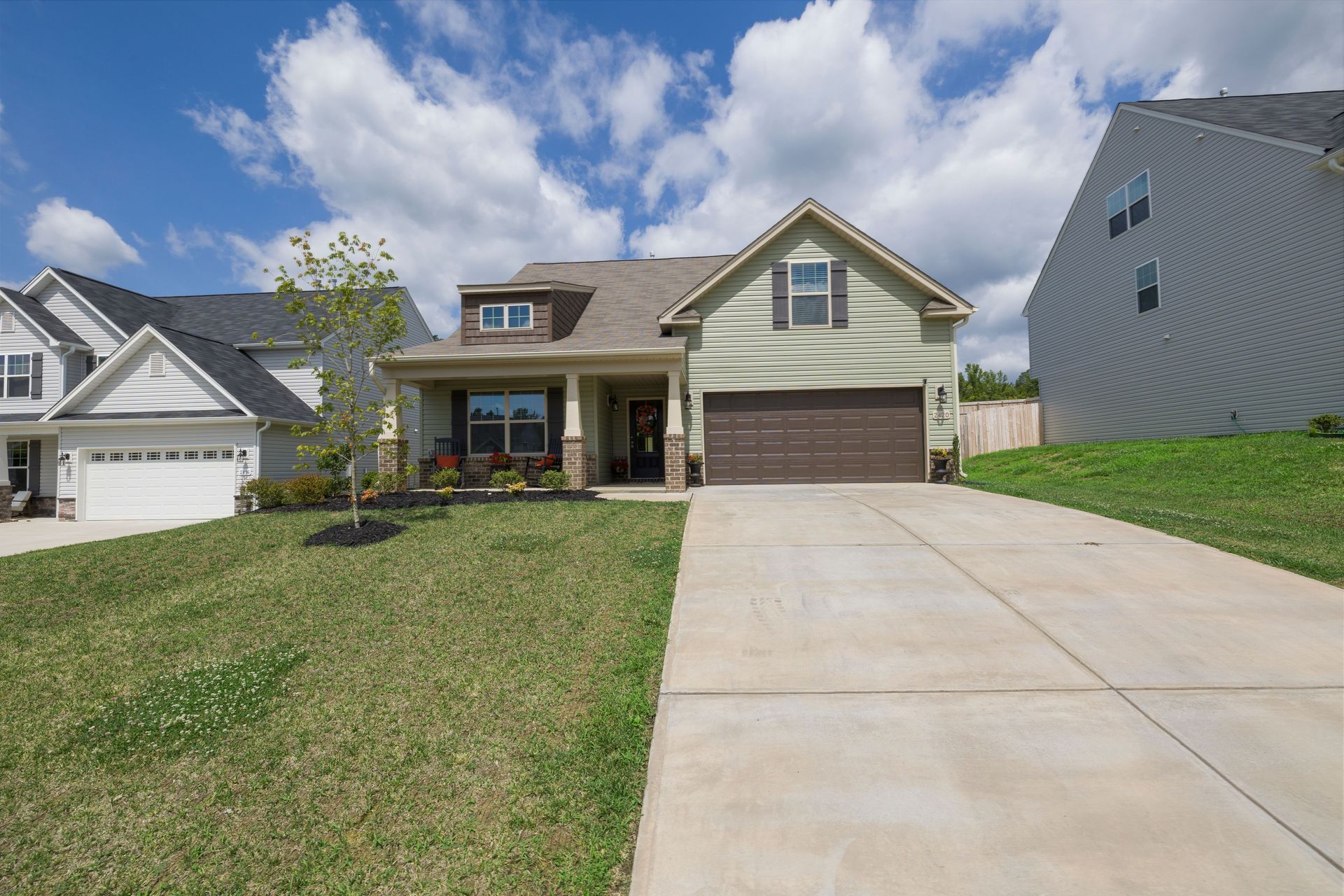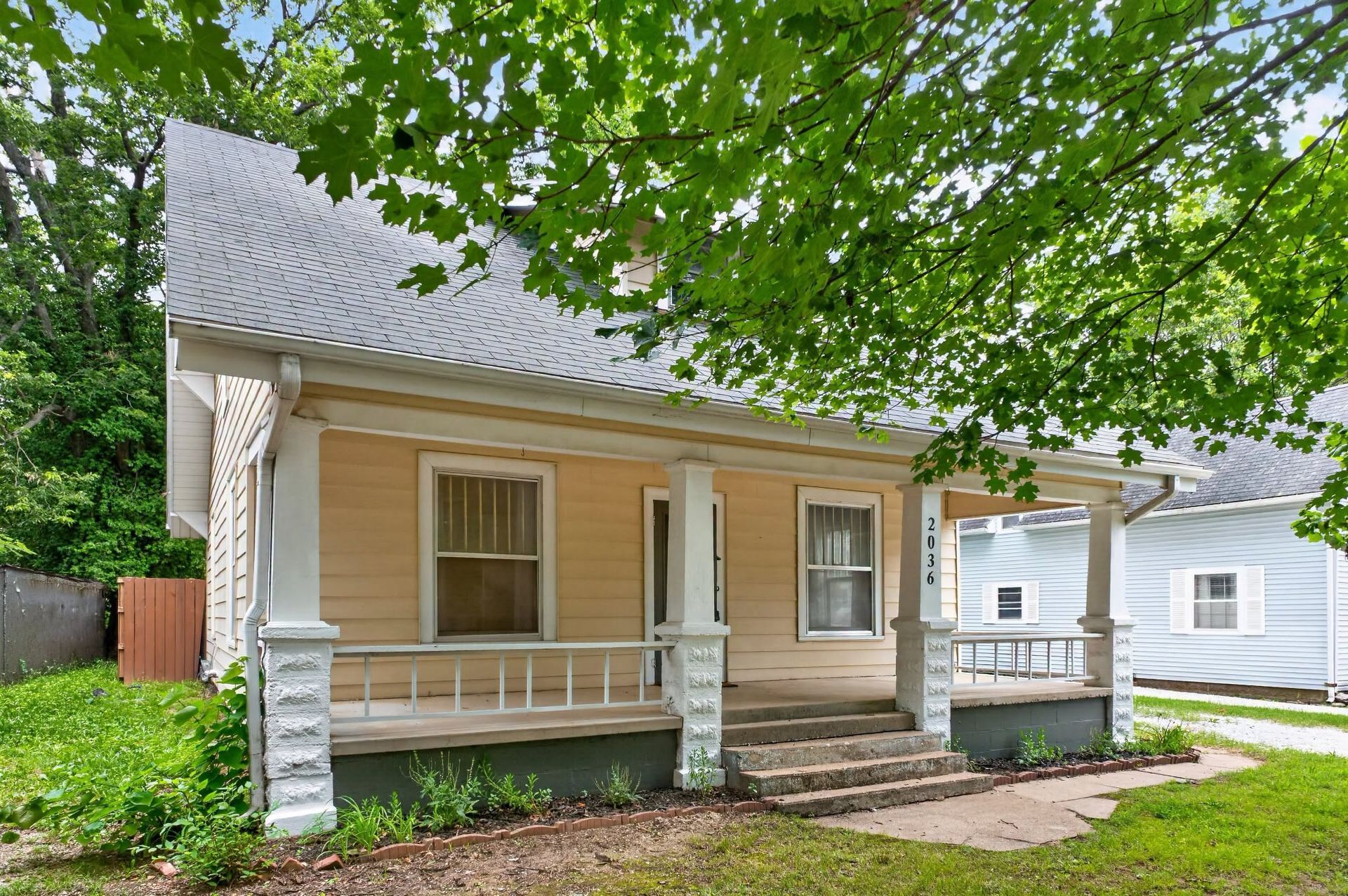
The House Has Been on the Market for 60+ Days. Can I Make a Lower Offer?
Yes, you can offer below asking price on a home that's been on the market for 60 days or longer. But 60 days on the market doesn't automatically tell you how much less to offer or whether the seller will accept it.
At Graddy Real Estate, we help Springfield-area buyers evaluate whether a lower offer is supported by the property's market position, condition, and current competition.
According to August 2026 market statistics from the Greater Springfield Board of REALTORS, cumulative days on market across Greene, Christian, and Webster counties was 58 days, compared with 50 days in August 2025. In Greene County, it was 51 days.
So a Springfield-area home crossing the 60-day mark isn't necessarily unusual in the current regional market. The better question is: Why is this particular home still available, and what does the market data say it's worth?
What 60 Days on the Market Actually Tells You
A house may take longer to sell because of its price, condition, location, property type, presentation, or the number of buyers looking in that particular price range. In some cases, a property may also have gone under contract and returned to the market.
The individual listing matters more than an arbitrary 60-day threshold.
A well-maintained home in a sought-after Springfield neighborhood may have a very different reason for sitting than a property that entered the market at an ambitious price or needs substantial work.
If you're wondering what can cause one property to move quickly while another takes longer, our guide to why some Springfield homes sell fast while others sit looks more closely at those factors.
For a buyer, longer market time is a reason to investigate, not a reason to automatically subtract a certain percentage from the asking price.
Before You Offer Less, Check These 5 Things
If a house has caught your attention after sitting for several weeks or months, start here before deciding what to offer.
1. What Have Similar Homes Actually Sold For?
The asking price tells you what the seller wants. Recent comparable sales help determine whether that price is supported by the market.
Look at properties that are genuinely comparable in factors such as location, size, condition, age, features, and property type.
A Comparative Market Analysis, or CMA, can be useful information when deciding how much to offer. A home can sit for 70 days and still be priced close to what comparable properties support.
2. Has the Price Already Changed?
Look at the listing's pricing history rather than only today's asking price.
A price reduction shows that the seller has adjusted the home's market position, not what their bottom line is. If a property started above comparable sales but has since moved into a more competitive range, the original asking price may no longer be a useful basis for deciding how far below today's price to offer.
3. What Is the Condition of the Home?
A property needing meaningful repairs or updates may justify a different strategy than a similarly priced home that's move-in ready.
The key is separating issues that may affect the property's value from cosmetic changes you would simply prefer to make.
If you're evaluating a property with potential concerns, our article on inspection red flags to look for before buying a home can help you understand what deserves closer attention.
Keep in mind that future inspection findings don't automatically guarantee a seller credit or price adjustment.
4. Is Anyone Else Interested?
A home that's been listed for two months can still attract new competition, especially after a price reduction or another change.
Don't assume that because no one bought it during the first 60 days, no one else will want it when you make your offer.
5. What Else Are You Asking the Seller For?
A below-asking price combined with seller-paid costs, repairs, or other favorable terms creates a different overall offer than a price reduction alone.
Consider what you're asking the seller to accept as a whole.
A Lower Price Isn't the Only Way to Negotiate
Suppose you've found a Springfield home you like, but the numbers aren't quite working the way you'd hoped.
Reducing the purchase price is one possible strategy, but it isn't the only thing that may be negotiated.
Depending on the property, financing, and seller, the discussion could involve:
- Purchase price
- Seller concessions or eligible closing-cost assistance
- A mortgage rate buydown where permitted
- Repairs or credits
- Closing timing
- Other appropriate contract terms
The most valuable concession to you may not be the one that produces the lowest purchase price.
For example, a buyer concerned about cash needed at closing may evaluate an allowable seller contribution differently from a buyer focused primarily on price. Our guide to seller concessions vs. price reductions explains that tradeoff in more detail.
The goal is to negotiate the terms that actually address your priorities.
How Much Below Asking Price Should You Offer?
There is no standard percentage below asking price that works for every home.
Rules suggesting that buyers should automatically offer 5%, 10%, or 20% less after a property reaches a certain number of days on market ignore too many factors that affect value and negotiation.
Consider these four situations.
The Home Has Been Listed for 70 Days, but the Price Is Supported
If comparable Springfield homes have sold around the same price and few similar alternatives are available, longer market time alone may not support a dramatically lower offer.
The Home Has Been Sitting and Comparable Sales Suggest It's Priced High
If similar properties have recently sold for less after accounting for meaningful differences, you have a stronger market-based reason for offering below asking.
The Home Has Been Listed for Months and Needs Work
Condition may support a different offer when the property compares poorly with similar homes. That doesn't mean subtracting the cost of every update you'd like to make from the asking price.
The Seller Just Reduced the Price and Buyer Activity Picks Up
A property may have spent weeks at one price and become much more competitive after a reduction. An aggressive offer based only on its total market time could overlook what has changed.
In our experience, the more useful question isn't "What percentage can we take off?"
It's "What can we support?"
What Happens After You Make a Lower Offer?
The seller may accept your offer, reject it, or respond with a counteroffer.
Negotiations can also involve terms beyond price. Other terms can become part of the discussion when a seller counters.
That's why it's helpful to know not only why you chose your initial offer, but which terms matter most to you if the seller responds differently than expected.
When Does a Lower Offer Have More Support?
No single factor guarantees that a seller will accept less, but looking at several signals together gives you a better picture than days on market alone.
| A Lower Offer May Have More Support When… | Be More Careful Assuming You Have Leverage When… |
|---|---|
| Comparable sales support a lower value | Comparable sales support the current asking price |
| The listing has had repeated price reductions | The price was recently adjusted to a competitive level |
| The property's condition compares poorly with similar homes | The home is in strong condition relative to competing properties |
| Similar homes offer better value | Few comparable alternatives are available |
| Buyer activity appears limited | Other buyers are actively showing interest |
None guarantees what a seller will accept, but together they provide a better basis for an offer than days on market alone.
The Better Question Isn't "How Low Can I Go?"
The goal isn't to make the lowest offer possible. It's to avoid paying more than the property and circumstances support while still giving yourself a realistic chance to buy the home you want.
Here at Graddy Real Estate, we help buyers evaluate comparable sales, pricing history, condition, competing listings, and current Springfield-area activity before deciding what an offer should look like.
That's a much stronger basis for negotiation than simply seeing "63 days on market" and choosing an arbitrary discount.
Frequently Asked Questions
Is 60 days a long time for a house to be on the market in Springfield, MO?
Not necessarily. In August 2026, cumulative days on market was 58 days across Greene, Christian, and Webster counties and 51 days in Greene County, so 60 days alone doesn't make a listing unusual in the current market.
Can I offer 10% below asking price on a house?
You can, but there is no universal 10% rule. Comparable sales, condition, pricing history, competition, and your other offer terms provide a better basis for choosing a price.
Will a seller be offended if I make a low offer?
A seller may reject an offer they consider too low. Rather than trying to predict their reaction, focus on making an offer you can support with market and property information.
Can I ask for closing costs if I'm already offering below asking price?
Potentially. Just remember that the seller will evaluate the entire offer, including price, concessions, and other terms.
Does a price reduction mean the seller is motivated?
It shows the seller has adjusted the property's market position, but it doesn't reveal exactly what price or terms they'll accept.
Can a seller reject my offer without making a counteroffer?
Yes. A seller can reject an offer rather than countering, so don't assume an extremely low starting offer will automatically lead to negotiation.
Make the Offer About the House, Not Just the Days
A home that's been on the market for 60, 75, or 100 days may create a negotiating opportunity, but market time alone doesn't tell you what the home is worth or what the seller will accept.
The stronger approach is to base your offer on comparable sales, pricing history, condition, current competition, and the terms that matter most to you.
If you've found a Springfield-area home that's been sitting and you're wondering what the numbers support, connect with our team at Graddy Real Estate. We can help you evaluate the property and current market before you decide what to offer.