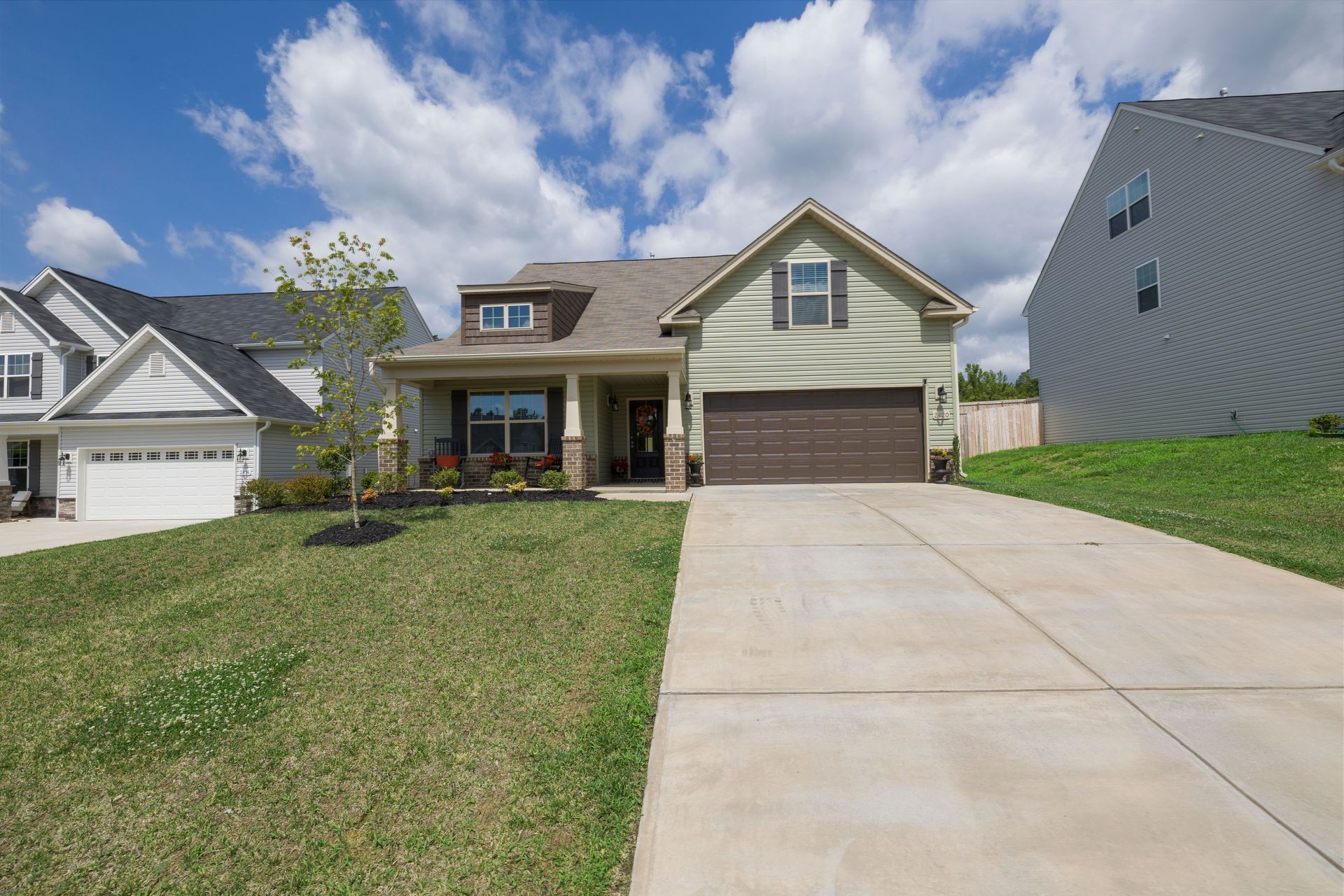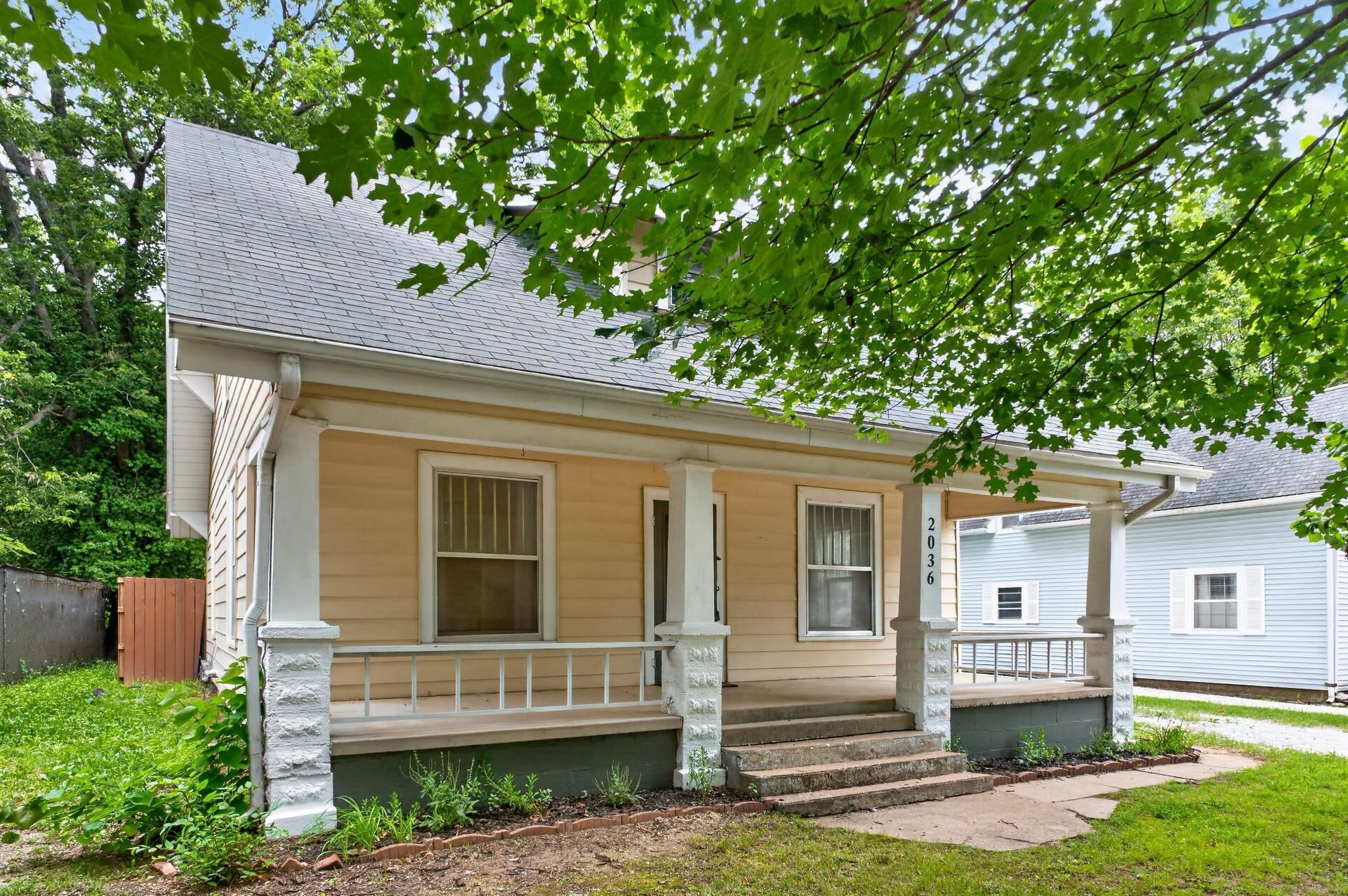
Can I Buy a Home Before Selling My Current House? Options for Springfield Move-Up Buyers
Yes, it can be possible to buy another house before selling your current home. But whether you should buy first depends on your financing, available cash, home equity, expected selling timeline, and how comfortable you would be carrying two homes temporarily.
For many move-up homeowners in Springfield, Missouri, the hardest part isn't deciding that you want a different home. It's figuring out how to get from the home you own now to the one you want next.
Maybe you need another bedroom, more land, a different neighborhood, or a home that better fits the next stage of your life. At the same time, you may have significant equity tied up in your current property—or a mortgage rate you don't particularly want to give up.
That creates a practical question we frequently help homeowners think through: Should I buy or sell first?
There isn't one answer that works for everyone. Most homeowners ultimately consider one of three approaches: sell first, buy first, or make an offer that's contingent on selling their current home.
The right strategy starts by understanding the financial and timing implications of each.
On This Page
- Can You Buy Another House Before Selling Your Current One?
- Option 1: Sell Your Current Home First
- Option 2: Buy Your Next Home First
- Option 3: Make a Contingent Offer
- What Happens If You Temporarily Own Two Homes?
- How Does Your Current Home's Value Affect the Decision?
- Should a Low Mortgage Rate Keep You From Moving?
- How Do You Coordinate Buying and Selling at the Same Time?
- When Might Waiting Be the Safer Option?
- Frequently Asked Questions
- Planning Your Next Move
Can You Buy Another House Before Selling Your Current One?
Yes. Some homeowners can qualify for and close on their next home while they still own their current property. Others need proceeds from their sale for the down payment or need to eliminate their existing mortgage payment before they can comfortably or financially qualify for another home.
Before deciding which direction makes sense, you need to understand a few numbers:
- Your current home's likely market value
- Your remaining mortgage balance
- Your estimated proceeds if you sell
- Cash available outside the home
- What you can comfortably afford for the next property
- Whether you can qualify while still carrying the existing mortgage
- How long your current home may reasonably take to sell
Option 1: Sell Your Current Home First
Selling first generally creates the least uncertainty because you know what your home actually sold for and how much money you have available for the next purchase. It can also eliminate the prospect of intentionally carrying two homes at once.
For homeowners whose equity will provide much of the down payment on their next property, that certainty can be valuable.
Once your sale closes, you know the actual proceeds available rather than working entirely from estimates. Depending on your financial situation, selling first may also make it easier to qualify for your next mortgage.
The Tradeoff: Where Do You Go Between Homes?
If your home sells before you've found the right replacement, you need somewhere to live. That could mean temporary housing, staying with family, storing belongings, or negotiating another arrangement as part of the transaction when possible.
If you want a particular Springfield neighborhood, school-area location, acreage property, newer development, or another feature with limited inventory, you may not want to feel pressured into buying the first acceptable home simply because your sale has closed.
Before choosing this strategy, understand both how readily your current home may sell and how difficult your next home may be to find.
You should also know approximately what you expect to walk away with after the sale. Our guide What Will I Actually Make When I Sell My House? explains the major numbers that can affect a seller's estimated proceeds.
Option 2: Buy Your Next Home First
Buying first gives you more control over where you're going, but it requires a workable financial plan for the period when you may own both properties.
Perhaps you've spent months waiting for a particular type of home in Springfield. Or you're looking for acreage, a specific neighborhood, enough bedrooms for a growing household, or another feature that isn't easy to replace.
Buying that property first may prevent you from having to settle simply because your current house sold.
Don't build the plan around the best possible outcome. Consider what happens if:
- Your home takes another month or two to sell.
- You receive less than the amount you initially expected.
- Your buyer's transaction falls through.
- Repairs or negotiations delay closing.
- You have overlapping moving and housing expenses.
Your lender should determine whether you qualify for the new financing while still owning your current home and explain how the existing mortgage affects that qualification.
Being approved to do something also isn't necessarily the same as being comfortable doing it. Consider how overlapping payments would affect your household budget before deciding that buying first is the right strategy.
Option 3: Make a Contingent Offer
A home-sale contingency can make your purchase dependent on successfully selling your current property. This can reduce some of the risk of buying before you have completed your sale.
For a homeowner whose down payment or financing depends on the current property selling, a contingent offer may provide a way to pursue the next home without simply hoping everything works out.
The tradeoff is on the seller's side of the transaction.
A seller evaluating your offer has to consider not only whether you will close, but also whether your existing property will sell as expected. If that seller has another comparable offer without a home-sale contingency, the simpler offer may be more attractive.
That doesn't mean contingent offers can't work.
The property, current competition, your home's readiness for market, and the terms of the offer can all affect how practical this option is. A contingent offer may look very different when your Springfield home is already under contract than when it hasn't been listed yet.
The key is understanding the contingency and its deadlines before relying on it as your moving strategy.
What Happens If You Temporarily Own Two Homes?
If you buy before you sell, you need to prepare for a period of overlapping housing expenses. That involves more than simply asking whether you can make two mortgage payments.
Your temporary expenses could include:
- Both mortgage payments
- Property taxes
- Homeowners insurance
- Utilities for both properties
- HOA fees, when applicable
- Maintenance
- Lawn or property care
- Moving expenses
The overlap may be brief. But you should know what happens if it isn't.
One recommendation we frequently make when evaluating a move is to consider a less-than-perfect scenario, not just the ideal closing schedule.
If carrying both homes for longer than expected would quickly create financial stress, that information should influence whether buying first is appropriate.
How Does Your Current Home's Value Affect the Decision?
Your current home's value matters because the equity you've built may become an important part of your next purchase. Home equity and cash you can use today are not necessarily the same thing.
At a basic level, you can start thinking about your position this way:
Estimated home value − mortgage payoff − selling expenses = estimated proceeds from the sale
The actual calculation can be more detailed, but this gives you a starting point.
For example, homeowners often plan to use sale proceeds toward the next home's:
- Down payment
- Closing costs
- Mortgage principal
- Moving expenses
- Financial reserves
The complication comes when you want to buy before those proceeds are available.
Some homeowners may have sufficient cash outside the property. Others may discuss financing or methods of accessing equity with their lender. Those options have their own qualification requirements, costs, and risks, so they should be evaluated with a qualified lending professional rather than assumed to be available.
Before you build a moving plan around your equity, first get a realistic idea of what your property may be worth in the current Springfield market.
That is where a home valuation and a review of comparable properties become useful. Then look beyond the estimated sale price to what you might actually net after the transaction.
Should a Low Mortgage Rate Keep You From Moving?
A low mortgage rate is a real financial benefit, but it shouldn't be the only factor determining whether you stay in a home that no longer works for you.
Giving up that mortgage can mean a substantially different monthly payment on the next property. That deserves careful consideration.
Ask:
- Why do we want to move?
- What would the next home solve that this one doesn't?
- How much would our total monthly housing cost change?
- How much equity have we built?
- How long do we expect to own the next property?
- Is our current home becoming too small, too large, or otherwise impractical?
- Is location becoming more important?
- Can our household comfortably afford the change?
For example, staying may make financial sense when the current home still works well and moving is mostly optional.
But if your household has outgrown the property, your commute or location needs have changed, or the home no longer fits your plans, the value of a low rate has to be weighed against those realities.
How Do You Coordinate Buying and Selling at the Same Time?
Your purchase strategy, sale strategy, financing, and closing timeline should support one another. A practical process often looks something like this:
1. Understand What Your Current Home May Be Worth
Review comparable Springfield-area properties, current competition, condition, and likely positioning. This helps establish a realistic estimate of your equity and selling timeline.
2. Estimate What You May Actually Net
Account for the mortgage payoff, expected selling expenses, possible repairs or concessions, and other transaction costs.
3. Talk With Your Lender Before Making an Offer
Find out what happens if your current mortgage still exists when the next property closes and what funds you'll need available for the new purchase.
If you're considering accessing existing home equity before the sale, discuss the specific qualification requirements, costs, and risks.
4. Decide Whether Selling First, Buying First, or a Contingency Fits
Your answer may depend on both sides of the market: how easily your current property is likely to sell and how difficult your desired next home is likely to find.
5. Define What You're Looking for Next
Springfield and the surrounding Southwest Missouri communities offer very different property types and lifestyles. Neighborhood and community research can help you narrow the search before your current home is under a deadline.
6. Prepare Your Current Home Early
Preparing the home, evaluating repairs, discussing pricing, and developing the marketing strategy in advance can make it easier to respond when the right next property appears.
7. Coordinate the Moving Parts
Once both transactions are active, inspections, appraisals, financing, repairs, contingencies, closing dates, and possession all need attention.
This is where working with a real estate team can be especially useful. At Graddy Real Estate, our team structure allows the buying and selling sides of the move to be considered as parts of the same overall plan, with communication and timelines coordinated around the homeowner's goal.
When Might Waiting Be the Safer Option?
Waiting may be the better choice if buying now would stretch your finances too far, your expected sale proceeds are uncertain, or you don't yet have a workable plan for the transition.
Consider waiting when:
- Carrying two homes would put significant pressure on your budget.
- You're unsure whether you'll qualify for the next mortgage.
- You need proceeds from the current house but don't know what it is likely to sell for.
- Your existing home needs significant preparation before listing.
- The homes you want are outside a comfortable budget.
- Your reason for moving isn't strong enough to justify the financial tradeoffs right now.
Something we've learned from helping buyers and sellers is that a successful move isn't simply one that closes. It needs to make sense for the homeowner after closing, too.
Frequently Asked Questions
Do I need a down payment if most of my money is tied up in my current house?
You still need to meet the down-payment and closing requirements for the financing you're using, but having substantial home equity doesn't necessarily mean that money is available before your current property sells.
If most of your funds are tied up in the house, talk with your lender early. They can explain which financing approaches you qualify for, how funds need to be documented, and what costs or risks apply.
What happens if the buyer for my current house backs out?
If your sale falls through, it can affect your purchase when the two transactions depend on one another. Exactly what happens depends on the contracts, contingencies, financing, and where each transaction is in the process.
This is why the plan should account for more than the ideal scenario. Your Realtor and lender should help you understand what a disrupted sale could mean before you commit to the purchase.
Can my sale and purchase close on the same day?
It may be possible to coordinate a sale and purchase closely, including closing on the same day in some situations. However, delays can occur with financing, documents, inspections, repairs, or other transaction requirements.
If your entire move depends on perfectly timed closings, discuss a backup plan beforehand.
Can I stay in my current house after it sells while I wait to move?
Sometimes buyers and sellers negotiate an arrangement that allows the seller to remain in the property for an agreed period after closing. Whether that is available—and whether it makes sense—depends on the transaction and terms everyone agrees to.
Don't assume post-closing occupancy will be available. If you need flexibility, discuss it early so it can be considered as part of the selling strategy.
How much cash should I keep available when buying and selling at the same time?
There isn't one reserve amount that's appropriate for every homeowner. Consider the down payment, closing expenses, moving costs, possible repairs, overlapping housing expenses, and an allowance for unexpected delays.
Your lender and financial professional can help determine what is appropriate for your specific financial situation.
What should I have ready before talking to a Realtor about a move-up purchase?
You don't need every detail figured out before the first conversation. It helps to know your approximate mortgage balance, desired timeline, reason for moving, next-home priorities, and any concerns you have about selling first or carrying two properties.
From there, a Realtor can help evaluate your current home's market position while you work with your lender to understand the financing side.
Planning Your Next Move
For most move-up homeowners, the real question isn't simply:
Should I buy or sell first?
It's:
How do we create a plan where the sale, purchase, financing, and move all work together?
Start by understanding what your current Springfield home may sell for and what you may actually net from the transaction. Then determine what you can comfortably afford next, how difficult the right property may be to find, and what would happen if the timing isn't perfect.
From there, you can compare selling first, buying first, and making a contingent offer based on your actual circumstances rather than a generic rule.
Here at Graddy Real Estate, we have helped buyers and sellers throughout Springfield and Southwest Missouri for more than two decades. Because our team works on both sides of residential real estate, we can help you evaluate the home you have now while planning for the one you want next.
If you're considering a move but aren't sure which transaction should come first, connect with Graddy Real Estate. We can start by looking at your current home, your next-home goals, and the options available for coordinating both.