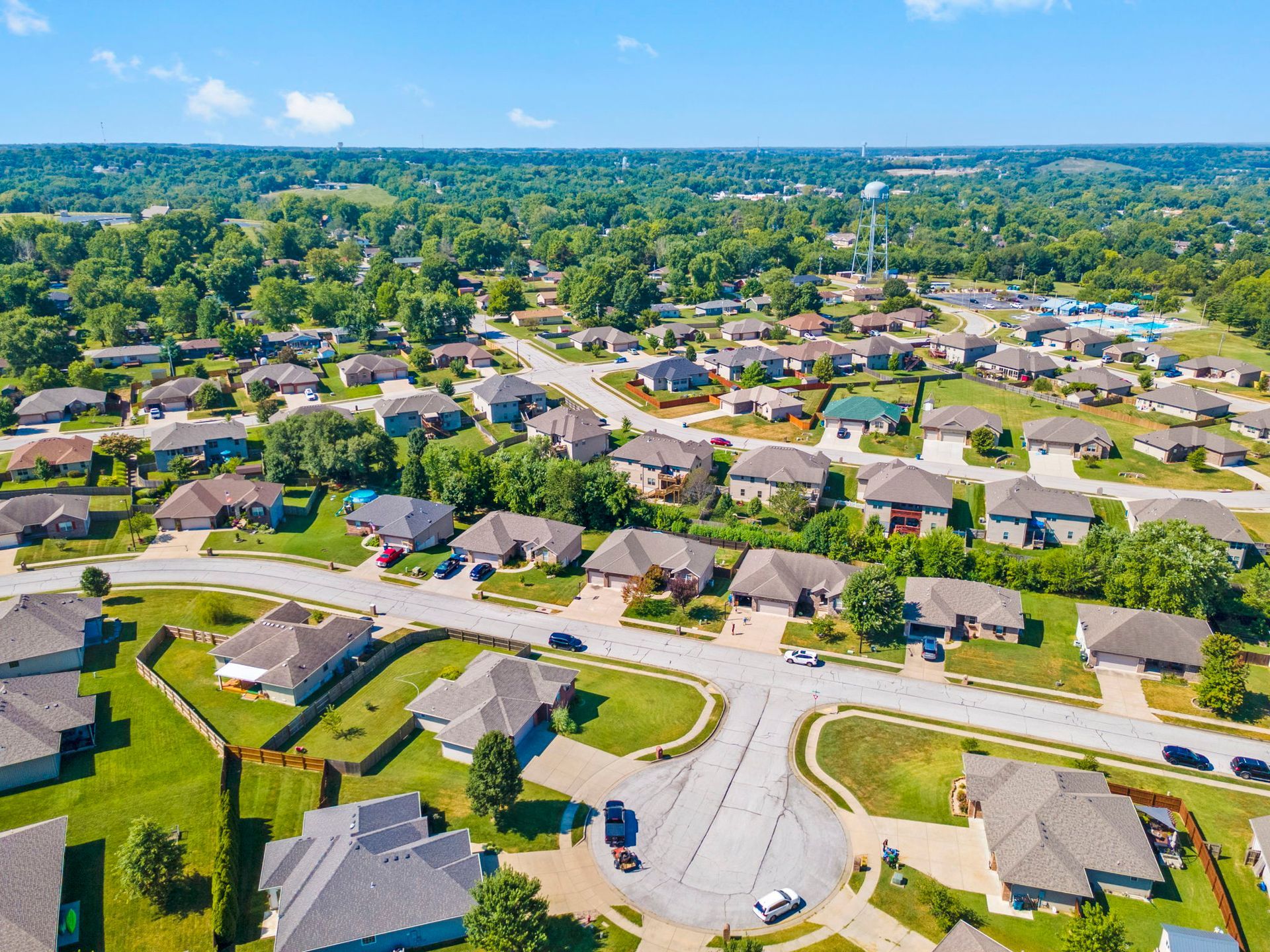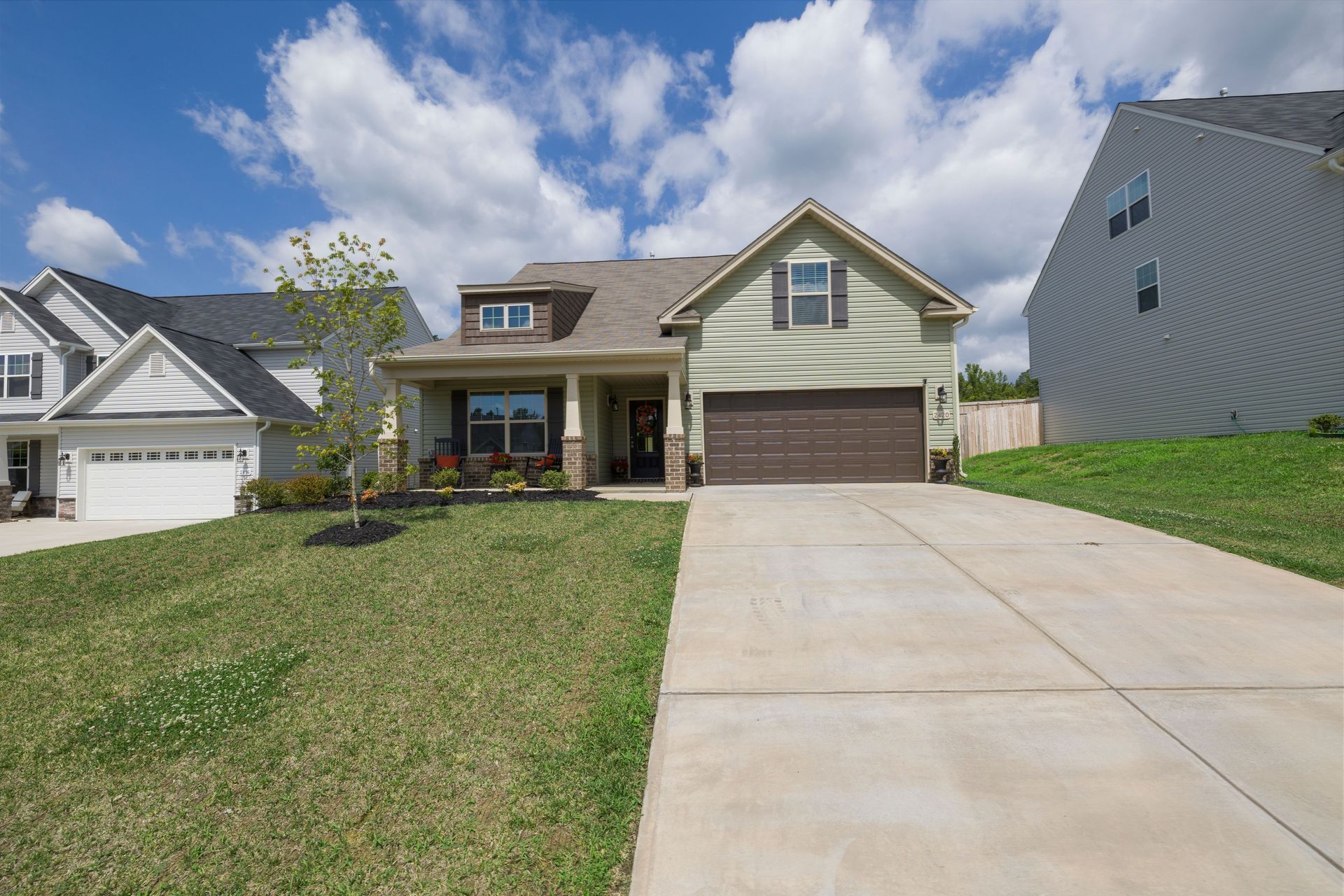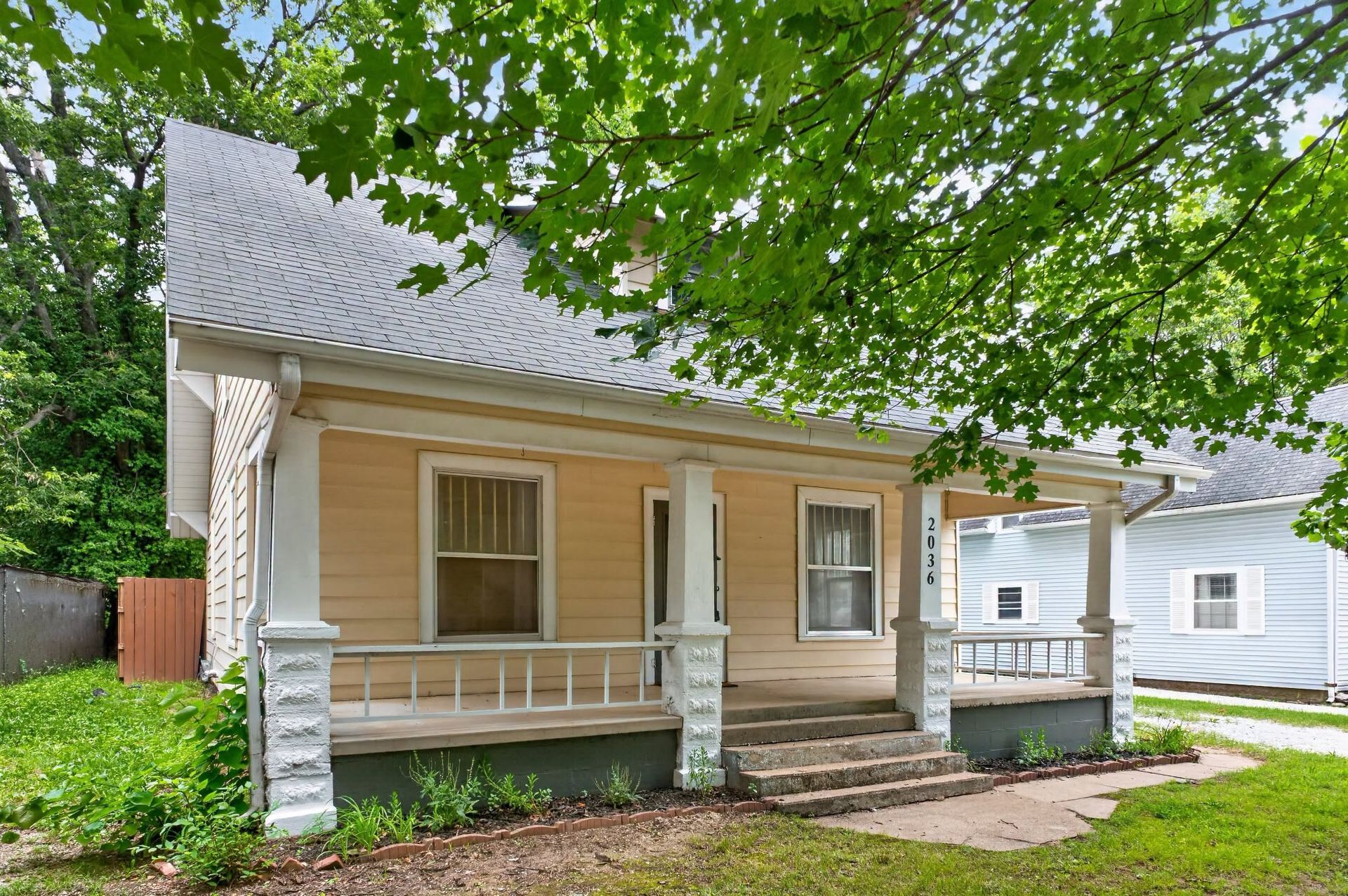
Why Some Springfield MO Homes Sell Fast While Others Sit on the Market
Some Springfield homes sell quickly while others sit because buyers respond to the complete package: price, condition, presentation, location, marketing, and what else they can purchase for the same money.
A home can be well maintained and still struggle if buyers believe competing properties offer better value. On the other hand, a home that is not completely updated can sell successfully when its price and positioning make sense for the market.
At Graddy Real Estate, one of the first things we look at is not simply what a homeowner hopes to sell for. We look at how buyers are likely to compare that property with the other choices available right now, whether the home is in Springfield, Nixa, Ozark, or another Southwest Missouri market.
For context, Realtor.com housing inventory data reported through the Federal Reserve Bank of St. Louis showed a median of 44 days on the market across the Springfield metro area in June 2026. That is a broad market benchmark, not a countdown clock for an individual home. A property's actual selling timeline depends on its specific price range, location, condition, competition, and buyer pool.
What Makes One Home Sell Faster Than Another?
Homes tend to sell faster when their price, condition, presentation, marketing, and location line up with what current buyers expect.
No single factor guarantees a quick sale.
A newly remodeled kitchen cannot always overcome a price buyers see as unrealistic. A competitive price may not generate enough activity if poor photos cause buyers to scroll past the listing. A desirable neighborhood can help, but buyers may still choose another home that feels like a better overall value.
A good house and a well-positioned house are not always the same thing.
A Desirable Home Can Still Be Poorly Positioned
Sellers naturally see their property through the experience of living there. Buyers see it as one choice among several.
A homeowner may value a recent roof replacement, a large backyard, or years of careful maintenance. Those features absolutely matter, but buyers will still compare the home with other properties that may offer a newer interior, different floor plan, lower asking price, or features that better match their priorities.
Strong positioning makes the home's advantages clear while setting realistic expectations about how buyers are likely to evaluate it.
Buyers Do Not Evaluate Homes in Isolation
Most buyers are not asking only, "Do I like this house?"
"Do I like this house more than the other homes I can buy in my price range?"
That is why pricing, preparation, and marketing should be based on the home's actual competition rather than considered separately.
Pricing Is Usually the First Place to Look
The fastest-selling homes are not necessarily the cheapest. They are typically the homes buyers believe are appropriately priced for what they offer.
An asking price that is noticeably above competing options can reduce interest before a buyer ever schedules a showing.
What Happens When a Home Starts Too High?
The home receives its strongest initial visibility.
Active buyers see the new listing and compare it with other available homes.
Serious interest remains limited.
Buyers may like the property but decide another option provides more value.
Days on market begin accumulating.
Meanwhile, properly positioned competing homes continue to sell.
The seller eventually adjusts the price.
By then, some of the buyers who would have been interested at the new price may have already purchased another home.
This does not mean every home that takes longer to sell is overpriced. Luxury properties, acreage, unusual floor plans, and other specialized homes may naturally have smaller buyer pools.
The question is whether the property's performance makes sense compared with genuinely similar homes.
Why the First List Price Matters
Pricing correctly does not mean choosing the lowest possible price.
It means establishing an asking price that can be supported by recent sales, current competition, market conditions, property condition, and buyer demand.
A common mistake is adding arbitrary "negotiation room" to the list price. If that pushes the home beyond what buyers consider competitive, they may never start the negotiation at all.
Sellers who want more context about changing local conditions can also read our 2026 Ozarks housing market forecast.
Why an Online Estimate Is Not a Complete Pricing Strategy
Automated valuations can provide a useful starting point, but they cannot fully evaluate a property the way a buyer does.
- Interior condition
- Renovations
- Floor plan
- Lot characteristics
- Street location
- Deferred maintenance
- The homes currently competing for the same buyers
A pricing number only works when the market evidence behind it makes sense.
Buyers Compare Homes, Not Just Prices
A home's price only makes sense in relation to what buyers can purchase instead.
For some buyers, that comparison extends beyond one subdivision or city. Someone starting a search in Springfield may also consider Nixa, Ozark, Republic, or Battlefield depending on price, commute, lot size, housing style, and the type of property they want. That means a seller's competition can be broader than the houses on the same street.
Your Real Competition May Not Be the House Next Door
A nearby sale can be useful when determining value, but it does not automatically represent the only property buyers will use for comparison.
- A smaller renovated home
- A larger home that needs updating
- New construction
- A different neighborhood
- A property with fewer square feet but more desirable features
This is one reason experienced pricing requires more than finding the highest recent sale and applying that number to another property.
Price Range Changes Buyer Expectations
Buyer expectations also change across market segments.
Someone purchasing an entry-level home may be comfortable completing cosmetic updates in exchange for affordability. A buyer shopping at a higher price point may expect more updated finishes or fewer immediate projects.
Graddy Real Estate works across a broad range of Southwest Missouri properties, so our team regularly sees how differently buyers evaluate homes from one price range and property type to another. The right strategy has to fit the actual buyer pool.
Condition and Presentation Change Buyer Perception
Condition influences more than a home's potential value. It affects whether buyers feel comfortable paying that value.
A buyer planning for a down payment, closing expenses, moving costs, and a new mortgage may hesitate when a property appears to require significant additional spending immediately after closing.
That does not mean sellers should renovate everything.
Small Problems Can Create Bigger Questions
Visible maintenance issues sometimes cause buyers to wonder about the condition of things they cannot see.
Stained ceilings, unfinished repairs, strong odors, worn flooring, damaged trim, or other visible problems may create uncertainty even when the issue itself is relatively minor.
One mistake we often see is homeowners spending money on improvements without first considering whether those improvements will meaningfully change buyer response.
Improve it. Address the issue when the likely improvement in marketability justifies the investment.
Price for it. Account for the condition when completing the work does not make practical or financial sense.
Market it honestly. Position the property appropriately for buyers who understand its condition and potential.
For homeowners facing a larger move, our guide to downsizing before selling a Springfield home offers additional guidance on deciding what to tackle before listing.
Marketing Determines How Buyers First Experience the Home
A well-priced home can still underperform if buyers do not notice it or understand why it is worth seeing.
For many buyers, the first experience with a property happens online.
The National Association of REALTORS® identifies the internet as an important part of how buyers search for homes, making digital presentation a critical part of modern listing strategy. NAR's research on home buyers and sellers provides broader insight into how buyers search for and evaluate properties.
Photography Shapes the First Impression
Professional photography should not make a home look like something it is not. Its job is to present the property clearly, accurately, and attractively enough for the right buyers to take the next step.
Lighting, room preparation, photo order, and the features highlighted can all affect whether someone schedules a showing.
Graddy's selling process includes professional presentation and digital marketing designed to help listings reach and connect with prospective buyers.
Good Marketing Explains Why the Home Matters
Listing information tells buyers that a home has four bedrooms.
Good positioning helps them recognize that one bedroom could provide the home office or flexible space they need.
Listing information says a property includes acreage.
Good positioning helps buyers understand the privacy, outdoor space, or lifestyle that acreage creates.
Marketing works best when it translates property features into reasons the right buyer should care.
Why Market Demand Can Change Across Springfield and Southwest Missouri
A home in south Springfield may face a different buyer pool and set of competing listings than a similar property in Nixa, Rogersville, or Republic. Even within the same city, demand can change according to neighborhood, price range, property type, condition, lot, floor plan, and the homes available at that particular time.
Two Nearby Homes Can Still Perform Differently
- Street position
- Lot usability
- Updates
- Garage capacity
- Basement space
- Floor plan
- Overall condition
That is why similar square footage does not guarantee similar market performance.
Different Properties Attract Different Buyer Pools
A starter home in Springfield and a luxury property do not compete for the same audience. Neither do a suburban home in Republic and a lake property near Blue Eye or Shell Knob.
Each property type attracts a different buyer pool, which changes the comparable sales that matter, the competition a seller should watch, and the marketing approach that makes sense.
Understanding the likely buyer pool helps determine which properties are truly comparable and which features deserve the most attention when positioning the home.
The First Weeks on the Market Matter
Early buyer activity provides valuable information about how a listing is being received.
The goal is not to panic after a few quiet days. It is to look for patterns.
Steady showing requests, repeat visits, detailed questions, and offer discussions may indicate that the property is connecting with the market.
Very limited activity may point toward a different problem.
The market provides information. A good listing strategy pays attention to what that information is saying.
What Your Showing Activity Is Telling You
Different activity patterns can point toward different issues.
| Seller Signal | What It May Mean | What to Review |
|---|---|---|
| Few views and few showings | Buyers may not be noticing the home | Photography, marketing, presentation |
| Online views but few showings | Buyers may see the listing but not enough value to visit | Price and positioning |
| Many showings but no offers | Buyers are interested initially but encounter an objection | Price, condition, layout, competition |
| The same feedback repeatedly | A consistent issue may be affecting demand | Whether it can be corrected or priced appropriately |
| Offers consistently below asking | Buyers may perceive a gap between price and value | Comparable sales and current competition |
No single showing tells the whole story.
Repeated patterns are much more useful than one buyer's opinion.
When Should a Seller Change Strategy?
A seller should reconsider the strategy when the market repeatedly shows that the original plan is not producing the expected response.
That does not automatically mean reducing the price.
- What comparable homes have sold since the listing went live?
- Has new competition entered the market?
- Are multiple buyers raising the same concern?
- Can the presentation or condition be improved?
- Is the home generating enough showings?
- Has anything meaningful changed in the local market?
A Price Reduction Should Be Strategic
The reason a home is not selling matters.
A property receiving almost no showings may have a different problem from one receiving regular showings but no offers.
Identifying that difference before taking action helps prevent unnecessary changes and gives sellers a clearer reason for the decisions they make.
What Sellers Can Control Before Listing
Sellers cannot control interest rates, every competing property, or exactly when the right buyer enters the market.
They can control several factors that strongly influence how their home enters the market.
Price for Today's Competition
Look at what buyers can purchase now, not what another seller hopes to receive or what a similar property might have sold for under different conditions.
Remove Avoidable Buyer Objections
Focus preparation on issues most likely to affect buyer confidence rather than updating the home simply for the sake of updating it.
Make the Value Clear Online
Strong photography and thoughtful marketing should help buyers quickly understand what differentiates the property.
Understand the Competition Before Joining It
Looking at competing homes before setting the strategy gives sellers a better idea of what buyers will see when their listing appears.
Decide How Results Will Be Evaluated
Before listing, sellers should understand what activity will be monitored, how feedback will be interpreted, and when the strategy will be reviewed.
That makes future decisions less reactive and more informed.
What Makes a Home Sell Quickly in Springfield MO?
Homes in Springfield are most likely to sell quickly when they are competitively positioned for their specific segment of the market.
- Pricing supported by current local market evidence
- Condition and presentation that make sense for the asking price
- Professional marketing that creates a strong first impression
- Clear value compared with competing properties
- A listing strategy that responds thoughtfully to meaningful buyer feedback
Location and demand will always influence the outcome, but pricing, preparation, presentation, and strategy are areas where sellers have meaningful control.
Frequently Asked Questions About Why Homes Sit on the Market
Why is my house getting showings but no offers?
Frequent showings without offers often mean buyers see enough potential to visit but encounter an objection after seeing the home.
The issue could involve price, condition, layout, location, or stronger competing choices. Repeated feedback is usually more useful than one isolated opinion.
How can I tell whether the problem is my price or my marketing?
Look at where buyers are dropping out.
Very little online attention may suggest a visibility or presentation issue. Online views without showings can indicate that buyers are not seeing enough value to visit. Regular showings without offers often mean buyers discover an objection after seeing the property.
These are not absolute rules, but the pattern can help identify what deserves closer review.
Does a house sitting on the market mean something is wrong with it?
No. Longer market time does not automatically indicate a serious property problem.
Price range, property type, buyer demand, competition, pricing, and presentation can all influence how long a home takes to sell.
How long is too long for a house to sit on the market?
There is no universal number.
The better comparison is how the property is performing against similar homes in the same area, price range, and market segment. The Springfield metro's median days on market can provide context, but it should not be treated as an individual deadline.
Should I lower my price if my house is not selling?
Not automatically.
Review showing activity, buyer feedback, recent comparable sales, new competition, and presentation first. A price adjustment is most useful when the evidence indicates that buyers consistently see a gap between the asking price and the value being offered.